Snails, larvae and mice: what can you do about them? Pest control in grassland
The most common pests and how to control them, all in one overview.
Mice
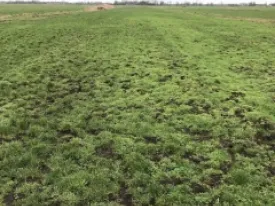
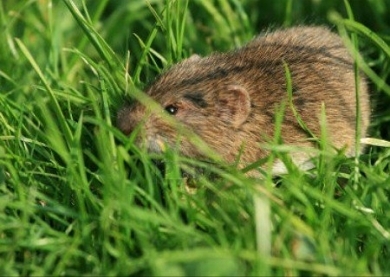
Mouse damage is easy to recognize by the presence of narrow holes in the soil. The damage mainly occurs because grass plants become detached, creating bare patches in the sward. During winter, mice prefer long grass, where they can hide from birds of prey.
What can be done to control mice?
- Prevent grass from entering the winter season too long.
- Control mice by placing rodent bait in their tunnels or in thin PVC tubes measuring 20-30 cm in length.
- Ploughing is often the best option when the mouse population becomes too large.
Leatherjackets
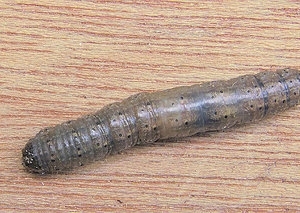
Leatherjackets are the larvae of crane flies. They feed on plant roots, stems and leaves, as well as decaying organic matter. These larvae are most commonly found in newly established grassland following the renewal of older grassland parcels and are active mainly in spring and late summer. Leatherjackets can easily be detected by placing some soil and plant material in a container of salt water, causing the larvae to float to the surface.
What can be done to control leatherjackets?
- Control products are available against leatherjackets. Contact your supplier for advice on the most suitable treatment.
White Grubs
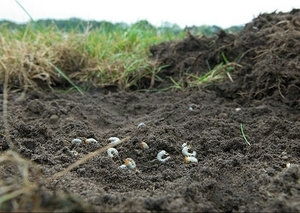
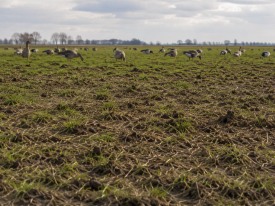
White grubs are the larvae of beetles and can be identified by their curved shape, with a clearly visible head and legs. They feed on grass roots, causing plants to lose contact with the soil. As a result, large patches of grassland can die off. White grubs also attract birds, which may cause additional damage while feeding on the larvae. White grubs are most active during the summer, particularly on light sandy soils.
What can be done to control white grubs?
- In cases of light damage, use a roller to maintain good root-to-soil contact.
- In cases of severe damage, reseeding is often unavoidable. After ploughing, cultivate the soil several times to exhaust and reduce the white grub population.
Wireworms
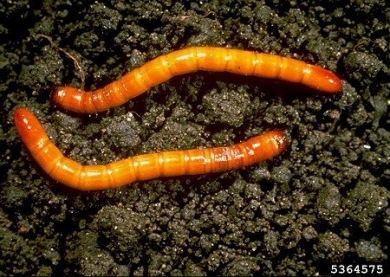
Wireworms are the larvae of click beetles. They feed on the soft underground parts of plants, causing grass to first lose its green colour and eventually die. Wireworms can be detected by placing a cut potato in the soil and checking it after 2-3 weeks for larvae. They are most commonly found in old, moist grassland fields with a high organic matter content. The greatest damage is usually seen one to two years after reseeding. Wireworms are also a common problem in maize and potato crops.
What can be done to control wireworms?
- Deep ploughing helps bury wireworms deeper in the soil profile, reducing their impact.
- Cultivate the soil several times before sowing to exhaust and reduce the wireworm population.
Slugs
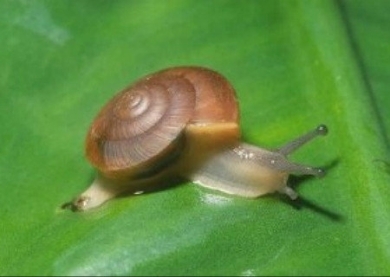
Slug damage can be recognized by chewed seedlings and young plants, particularly in newly established grassland. Slugs are most active in moist conditions and are often found near ditches and other wet areas. The greatest damage typically occurs when grassland is reseeded after cereal crops.
What can be done to control slugs?
- Prepare a fine, firm seedbed without large clods where slugs can hide.
- Apply slug pellets as a preventive measure or when damage is observed (consult your supplier for suitable products).
Moles
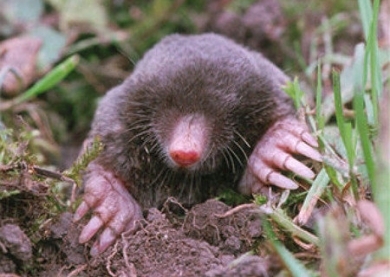
Moles are found in almost all grassland areas and are one of the primary causes of bare patches in pastures. They feed mainly on earthworms, but also consume slugs and insects. Moles are active throughout the year and are most commonly found on light (sandy) soils.
What can be done to control moles?
- Control moles at an early stage. Try to locate the main tunnel systems and place mole traps in these central runs. Check and reposition the traps at least twice a week.
In cases of severe damage, overseeding is often the best solution to restore pasture productivity and grass cover.
Sciarid fly larva
Fungus gnat larvae can be distinguished from leatherjackets by their brown to black head capsule. Mature larvae are approximately 5 mm long. They feed on the growing point of the plant, causing it to die. Affected grass first turns black and then becomes loose from the soil. Fungus gnat larvae are most active in early spring and autumn.
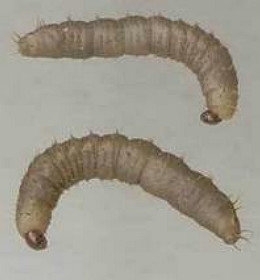
What can be done to control Sciarid fly larva?
- Control products are available for fungus gnat larvae. Contact your supplier for advice on the most appropriate treatment.