
Horse pasture maintenance
A well-maintained horse pasture is the foundation of a healthy and safe environment for your horse. A durable sward not only helps prevent injuries, but also reduces the risk of conditions such as sand colic. Regular maintenance keeps the pasture resilient, green and nutritious.
An effective and cost-efficient way to keep your pasture in top condition is overseeding. This strengthens the sward and ensures that bare patches are quickly filled in. The best times to overseed a pasture are in spring (February to April) and autumn (August to September).
Restoring and maintaining a durable sward
Bare patches in a pasture often develop as a result of intensive use or extreme weather conditions. This can put your horse’s health at risk, as bare patches increase the likelihood of sand ingestion and injuries. By overseeding in time, you can maintain a strong sward and prevent bare patches from developing. A dense, durable sward also leaves less room for weeds to become established. Overseeding is both more cost-effective and faster than completely reseeding a pasture. For larger pastures, hiring a contractor with an overseeding machine can be an efficient solution.
Action plan for successful overseeding
Good preparation is essential for successful overseeding of your pasture:
- Remove weeds – Start by controlling weeds to ensure optimal germination of the grass seed. Use mechanical weed control methods, such as a chain harrow or tine harrow, or apply a suitable crop protection product.
- Maintain a short sward – A short sward allows the new grass seed to reach the soil more easily. In spring, we recommend overseeding early, before the existing plants begin their spring growth. When overseeding in autumn, it is important to mow or graze the pasture down to 4 cm before sowing.
- Loosen the soil surface – Use a drag harrow, tine harrow or rake to open up the top layer of the soil, allowing the grass seed access to light, air and space for germination.
- Sow before rainfall – This helps the seed germinate quickly. Distribute the grass seed evenly, preferably using an overseeding machine, and roll it well afterwards. Always choose a grass mixture that is tailored to the needs of horses.
- Maintain adequate moisture – Ensure that the soil remains sufficiently moist, particularly during the first few weeks after overseeding.
- Limit grazing and mowing – The existing sward can be mown once the young grass plants are sufficiently developed (>6 cm). Limited grazing is possible, but avoid allowing horses to graze the grass too closely.
Repairing bare patches
In addition to overseeding, bare patches can also be repaired:
- First, loosen the soil thoroughly with a rake to create a level and firm seedbed.
- Distribute the grass seed evenly and then firm it well by rolling or treading it in.
- Ensure that the soil remains sufficiently moist.
How much seed do you need?
- For a pasture with many bare patches: 40 kg of Horse Master® per hectare.
By investing in regular maintenance and choosing Horse Master with RPR grass technology, you can ensure that your horse pasture remains strong, healthy and safe all year round!
Horse Master: for a strong, green horse pasture
Horse Master® is a balanced grass seed mixture developed specifically for horses. A Horse Master® pasture provides a durable sward, rapid regrowth, and grass that is rich in structure and low in fructan. Click here for more information about Horse Master®. Horse Master is equipped with RPR grass technology, making it highly resistant to intensive hoof traffic.
Healthy forage for horses
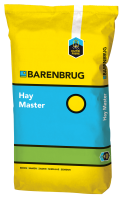
Hay Master
-
Fresh and tasty hay for your horse, cows or small livestock
-
High roughage production
-
Excellent drought resistance
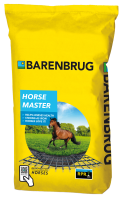
Horse Master
-
Plenty of grass for grazing
-
Highly resistant turf with RPR technology
-
Good regrowth