
Hay, healthy forage for horses
A sufficient supply of forage is essential for keeping your horse healthy. In addition to grazing, feeding hay is an excellent way to meet this requirement. The key is that the hay is produced from grass that is suitable for horses and harvested with care.
How can you prevent hay heating?
Hay heating occurs when the crop is not sufficiently dry at the time of baling. It is caused by the conversion of sugars in the crop into carbon dioxide, water and heat. The yeasts responsible for this process require moisture to remain active.
What are the consequences of hay heating?
Hay heating encourages the growth of moulds. These moulds can cause respiratory problems in horses and may also increase the risk of colic. For this reason, the target is to achieve a dry matter content of 85%. Depending on weather conditions, the crop typically needs around 3 to 4 days of drying to reach this level.
How can you prevent dusty hay?
Dusty hay is highly detrimental to the health of horses. One of the most common causes of dusty hay is mowing the crop too low. Do not graze or mow a horse pasture below 8 cm. It is also important to ensure that both the tedder and the rake are properly adjusted.
What are the disadvantages of natural hay?
Although the name may sound very appealing, natural hay is often less healthy for horses than it suggests. Natural grassland receives little or no fertilisation, which can place the grass plant under stress. As a result, the grass plant produces fructan. In addition, natural hay often contains:
- Insufficient nutrients
- Low levels of energy and protein
- In some cases, toxic plants and herbs
Horse Master. Healthy grass for horses
Horse Master is a pasture mixture specially tailored to the needs of horses. It contains grass varieties with a low growing point, enabling rapid regrowth after grazing or mowing. The varieties in Horse Master have also been selected for their low fructan content. The RPR technology in Horse Master creates a natural network of roots with horizontal stolons. This results in a very dense and durable sward that can withstand intensive hoof traffic.
Healthy forage for horses
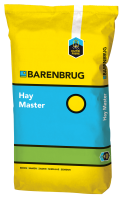
Hay Master
-
Fresh and tasty hay for your horse, cows or small livestock
-
High roughage production
-
Excellent drought resistance
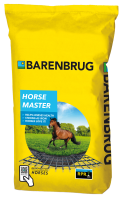
Horse Master
-
Plenty of grass for grazing
-
Highly resistant turf with RPR technology
-
Good regrowth