Hay Master Management manual

Tips for successful hay cultivation
Growing fresh, clean and tasty hay requires expertise. The growing guide sets out the key steps and tips for ensuring every cut is a success with Hay Master. This way, you can get the most out of your pasture and the quality of your feed.
Preparation
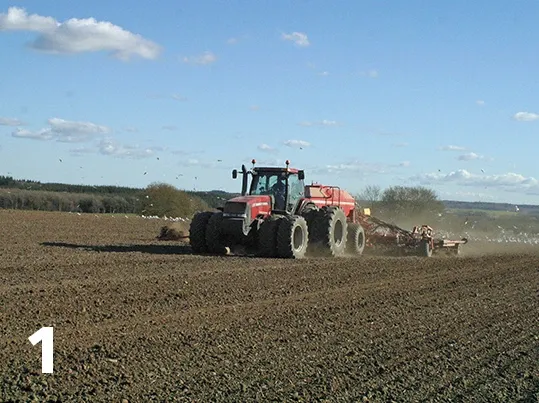
Field requirements
| Field | Choose a plot with low weed pressure or use a false seedbed. |
| Soil structure | Loosen the soil to a great depth to allow the roots to grow deeply. |
| Seedbed | Create a fine and firm seedbed. |
Sowing

Sowing recommendations
| Sowing period | From April 1 to September 15. Choose a period with sufficiently high temperatures and adequate moisture for proper grass seed germination. |
| Soil temperature | > 12C |
| Seed rate | 60 kg/ha (initial sowing) 20–30 kg/ha (overseeding), depending on the condition of the sward. |
| Sowing depth | 0.5–1.5 cm. Use a Cambridge roller to press the seed firmly into the soil. |
| Row distance | Maximum 8 cm. |
Fertilization
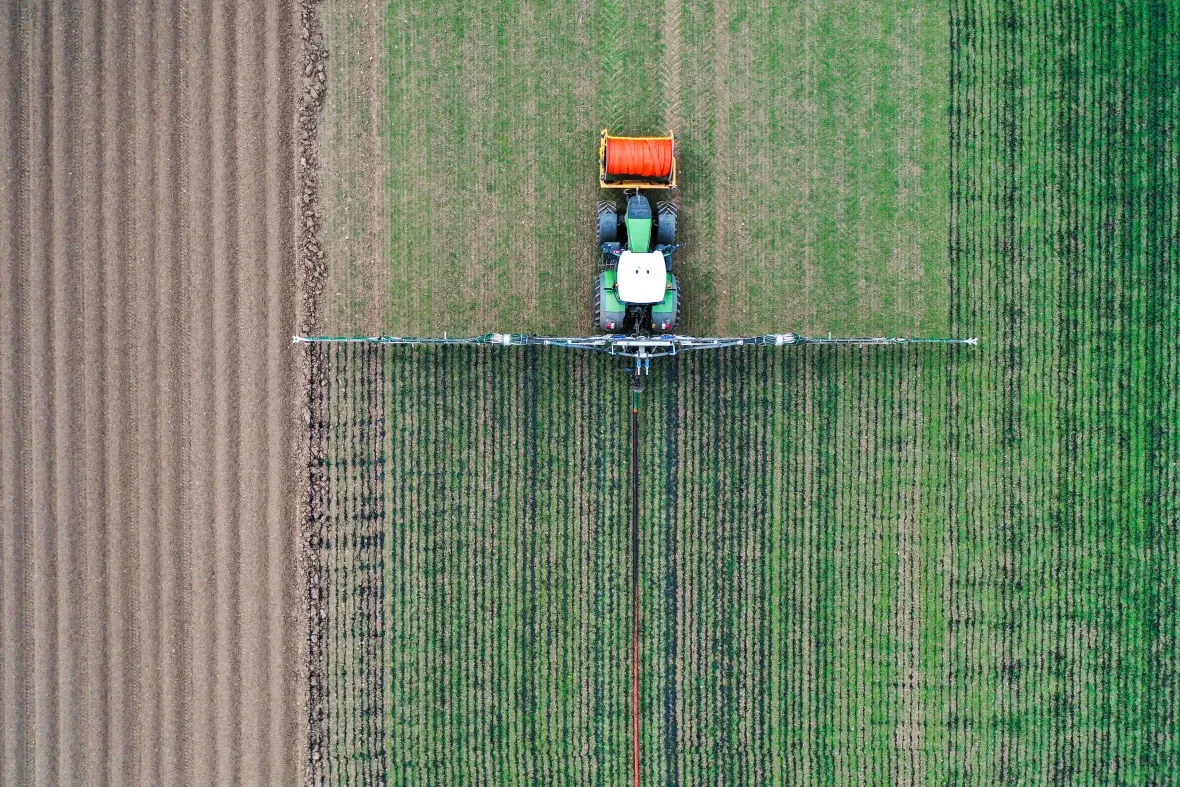
Sowing Recommendations
| Period | Apply fertilizer as early as possible in spring, as soon as soil conditions allow. Always take current regulations into account. |
| Fertilizer Amount | Per application: 15–25 tons/ha of liquid manure, or 10 tons of solid manure supplemented with an average of 75 kg of pure nitrogen. The exact nitrogen amount depends on soil quality and the time of year. Solid manure should only be applied in early spring. To prevent worm infestations, compost (your own) horse manure or wait at least one year before using it. |
| Supplementary Fertilization | Sulfur and potassium. Determine the amount based on soil and forage analysis. |
| Liming | In the autumn to optimize mineral uptake. |
Harvesting
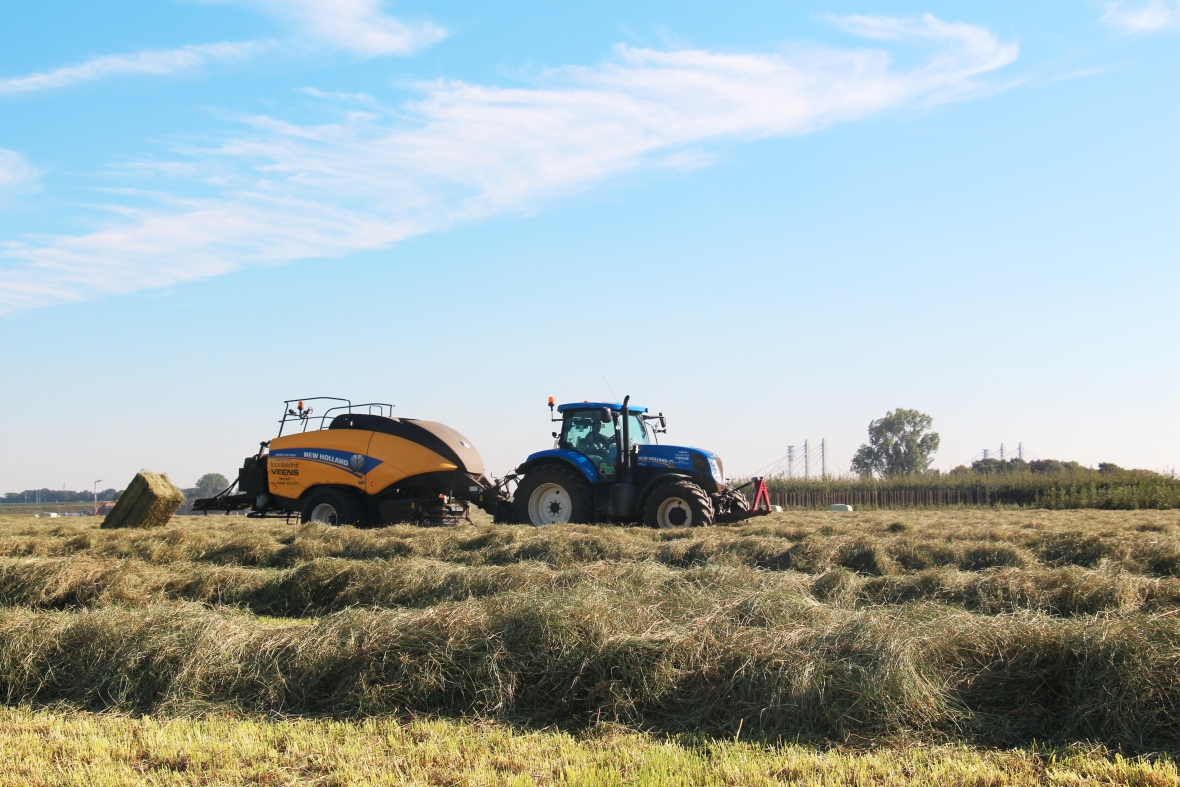
Harvesting
| Weather Conditions | Harvest during a dry period. At least five dry and sunny days are recommended. |
| Harvest Timing | Harvest the first cut as soon as the grass starts to head. Only mow when the soil is sufficiently dry so the cut grass can dry properly. |
| Time of Harvest | Around midday is the ideal time to mow. In the morning, the crop is still covered in dew, and in the afternoon or evening it has less chance to dry. Additionally, sugar content (fructan) increases later in the day. |
| Tedding | Tedd the cut grass as often as possible, but at least three times. |
| Yield | Do not harvest overly heavy cuts due to drying time. As a guideline, take the first cut in May–June, and the second and/or third cut during the summer months. Ideally, the crop should be 30–50 cm high. As the crop ages and growth slows, fructan content increases significantly. Keep this in mind if the hay is intended for horses. |
| Raking | Lay the grass in rows in the evening before baling. This prevents dew from forming on the crop overnight. Do not set the tedder too low, as this helps avoid contamination in the cut grass. |
Maintenance
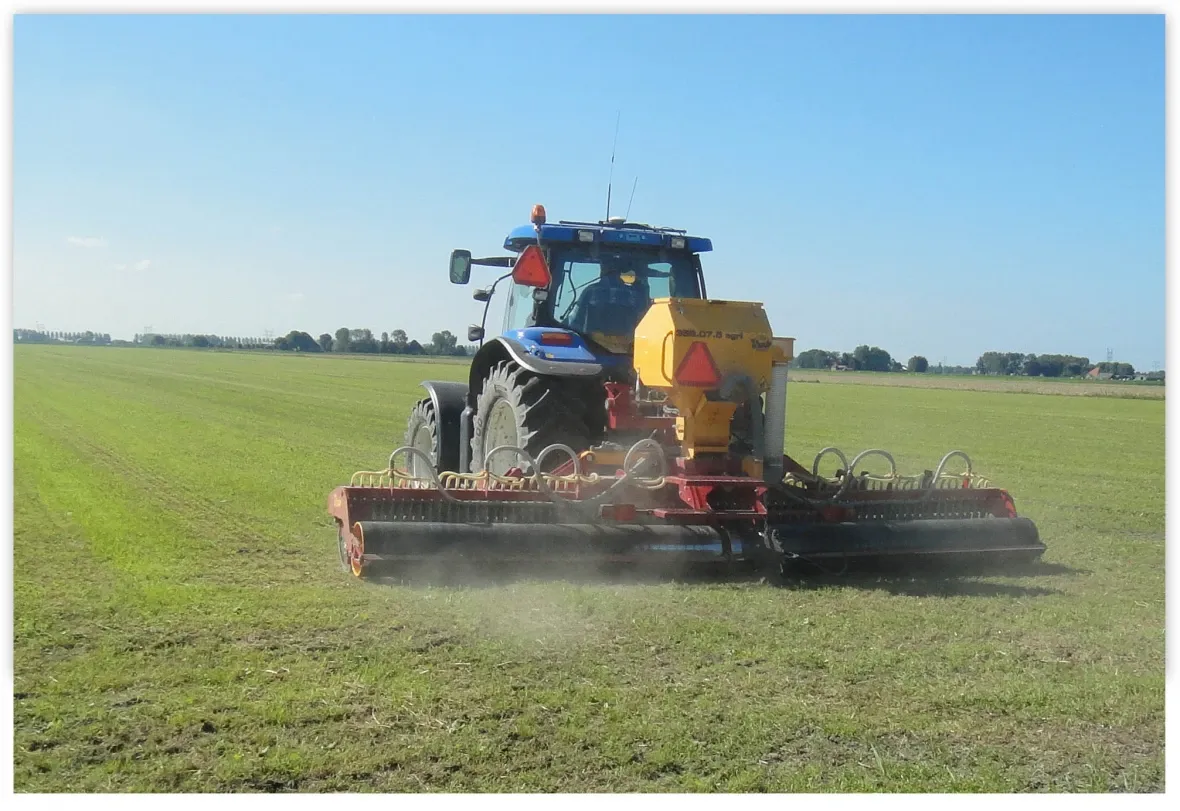
Maintenance
| Weed Control | Prevent weeds in the grassland. This increases hay yield, optimizes drying time, and prevents toxic plants from ending up in the hay. |
| Overseeding | Overseed in early spring or autumn to extend the lifespan of the sward and improve quality and yield. |
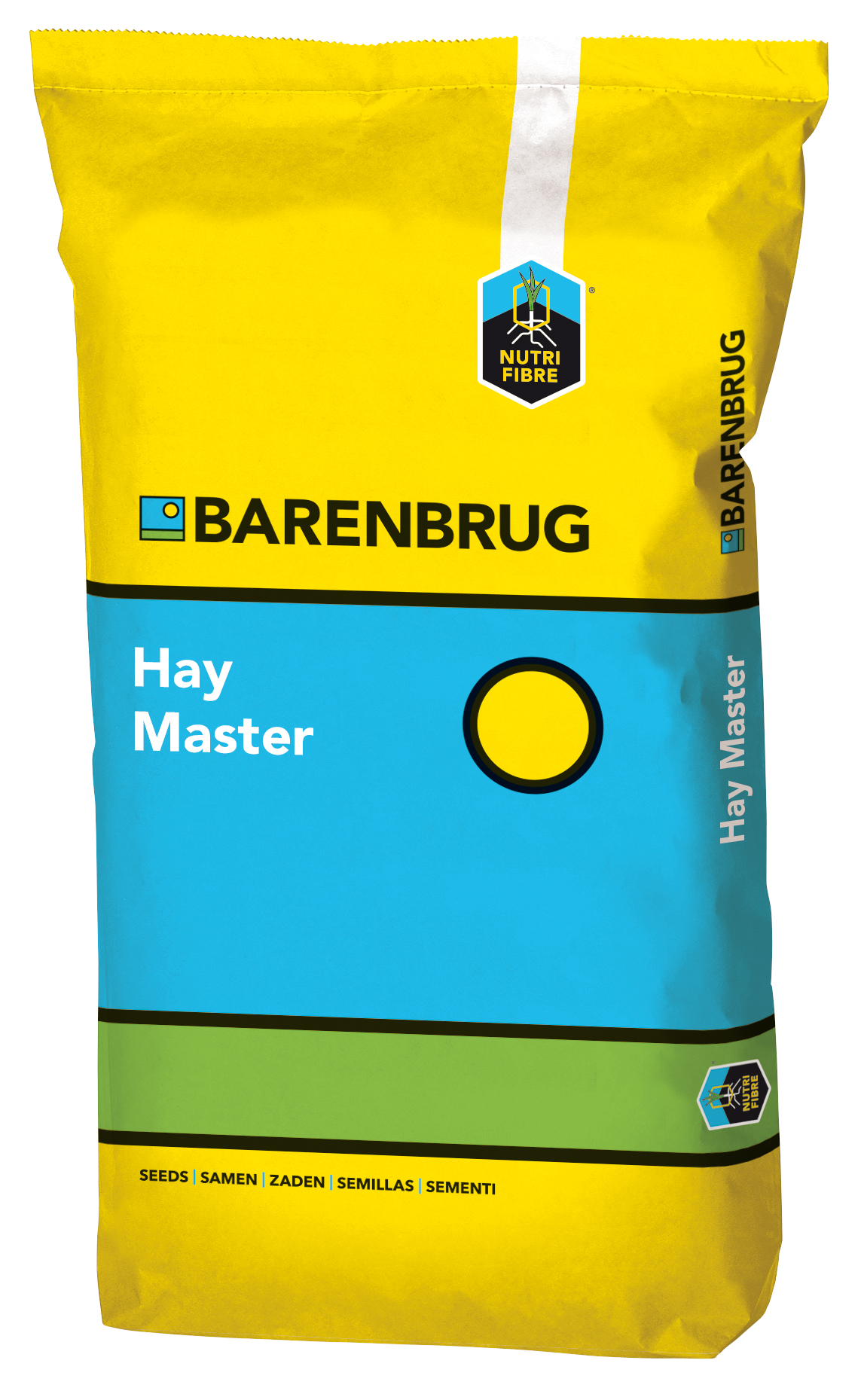
Where can you buy Hay Master?
Where can you buy Hay Master? Click the button to discover our points of sale.