
Horse grass versus cow grass
The majority of horses graze on pastures sown with grass varieties intended for livestock farming. In addition, a large proportion of hay is produced from grassland sown with varieties suitable for cattle. This grass contains high levels of energy, as cows require this energy for milk production. For horses, however, this energy-rich grass is not suitable.
Grass with a low fructan content
Horses require grass with a low fructan (sugar) content. Grass intended for cattle, on the other hand, is bred to provide high energy levels. Due to ongoing genetic improvements in grass varieties, these energy levels continue to increase year after year. This makes it increasingly important to ensure that your horse grazes on pasture, or receives forage, from grassland sown with grass varieties that are tailored to the nutritional needs of horses.
Would you like to learn more about grass with a low fructan content? Then read the article healthy grass for horses.
Grass with a low growing point
Horses graze by biting grass off close to the ground. Cattle, on the other hand, use their tongues to pull and tear the grass, which means they graze at a much higher level.
To promote good regrowth, it is important that the grass in a horse pasture has a low growing point. This helps prevent weeds and undesirable grass species from becoming established in the pasture.
Would you like to learn more about grass with a low growing point? Then read the article grass with a low growing point.
Horse Master. Healthy grass for horses
Horse Master is a pasture mixture specially tailored to the needs of horses. It contains grass varieties with a low growing point, enabling rapid regrowth after grazing or mowing. The varieties in Horse Master have also been selected for their low fructan content. The RPR technology in Horse Master creates a natural network of roots with horizontal stolons. This results in a very dense and durable sward that can withstand intensive hoof traffic.
Healthy forage for horses
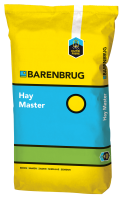
Hay Master
-
Fresh and tasty hay for your horse, cows or small livestock
-
High roughage production
-
Excellent drought resistance
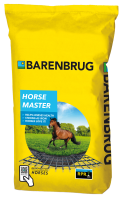
Horse Master
-
Plenty of grass for grazing
-
Highly resistant turf with RPR technology
-
Good regrowth