
Grass species to avoid in a horse pasture
The quality of a horse pasture depends on the grass species growing in it. It is therefore important to recognise and control undesirable grasses and weeds. These species often have a low feed value, are less palatable, and may even cause health problems.
Undesirable grass species: annual meadow-grass
One of the most common undesirable grass species is annual meadow-grass (Poa annua). This grass grows rapidly, continuously produces seed and forms a weak sward. As a result, the sward becomes more open, increasing the risk of muddy conditions and further weed invasion. In addition, annual meadow-grass flowers frequently, allowing it to spread quickly throughout a pasture.

Undesirable grass species: rough meadow-grass
Rough meadow-grass (Poa trivialis) is also commonly found in damp fields. This grass forms a loose, shallow-rooted sward and has low palatability. Horses often avoid grazing it, allowing it to spread further. In addition, it has poor tolerance to trampling, which can contribute to bare patches and deterioration of pasture structure.

Undesirable grass species: couch grass
Another undesirable species is couch grass (Elymus repens). This grass spreads through underground rhizomes and can quickly form dominant patches. Although it is not toxic, it has a coarse growth habit and only moderate feed value. Due to its aggressive spread, it can outcompete the more desirable grass species that are better suited to horses.

Undesirable grass species: Yorkshire fog
Yorkshire fog (Holcus lanatus) is also commonly found on nutrient-poor or poorly maintained grassland. This grass has a soft, woolly texture and is not readily grazed by horses. It can spread rapidly and may lead to a noticeable decline in pasture quality.

Undesirable grass species: orchard grass
Orchard grass (Dactylis glomerata) can also become undesirable when it grows excessively and becomes stemmy. In its young stage, it can be reasonably suitable, but as it matures, it becomes very coarse and stem-rich. Horses tend to avoid grazing it, resulting in the formation of rough tussocks and an uneven sward.

In damp or weakened swards where weeds dominate, there is also a greater risk of horses ingesting contaminated or mouldy plant material, which increases the risk of digestive irritation. Finally, a poor-quality grass stand can indirectly lead to nutritional deficiencies, which may result in reduced body condition, poorer coat quality and lower resistance.
The negative effects of these weedy grass species are:
- Lower feed value
- Poor intake due to selective grazing
- Open swards and bare patches
- Outcompeting desirable grass species
- Increased maintenance requirements
Targeted management is therefore essential. Important measures include:
- Regular overseeding with Horse Master
- Preventing overgrazing
- Timely topping or mowing
However, the growth stage of the grass plant, the season, and the level of pasture maintenance ultimately determine the quality of a pasture.
Horse Master. Healthy grass for horses
Horse Master is a pasture mixture specially tailored to the needs of horses. It contains grass varieties with a low growing point, enabling rapid regrowth after grazing or mowing. The varieties in Horse Master have also been selected for their low fructan content. The RPR technology in Horse Master creates a natural network of roots with horizontal stolons. This results in a very dense and durable sward that can withstand intensive hoof traffic.
Healthy forage for horses
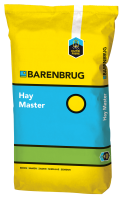
Hay Master
-
Fresh and tasty hay for your horse, cows or small livestock
-
High roughage production
-
Excellent drought resistance
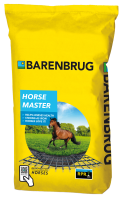
Horse Master
-
Plenty of grass for grazing
-
Highly resistant turf with RPR technology
-
Good regrowth