Bargreen II
New top chewings fescue for golf courses!
-
Excellent shoot density.
-
Good resistance to red thread under closemowing.
-
Medium-light green colour with beautiful leaf texture.
-
Good winter hardiness.
-
Reasonable drought tolerance.
-
Wide application possibilities in Europe.
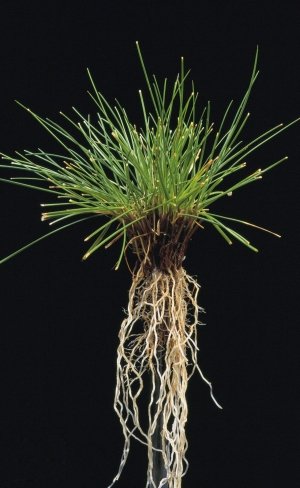
Bargreen II is a new top variety for use in mixtures for golf greens and ornamental purposes. The variety has superb shoot density and a close mowing tolerance down to 5 mm (4 mm in summer!). This makes Bargreen II the best choice for the overseeding of tees, fairways and greens! The variety has excellent red thread resistance and maintains a healthy colour, even if nitrogen applications are decreased. Moreover, Bargreen II mixes very well with species such as Agrostis capillaris in green mixtures and fi ne leaved Lolium perenne in fairway mixtures.
Application
Bargreen II is a Festuca rubra commutata suitable for:
- Sport
- golf courses: tees, greens and fairways
- cricket and tennis courts
- Surrounds / aprons
- Bowling greens
- Turf production
Colour
Medium-light coloured variety.
Partner varieties in mixtures
Bargreen II has been extensively tested in private trials at STRI UK and Hohenheim University in Germany and during several small trials in other countries. All trials showed the signifi cant ornamental value of Bargreen II and its great performance on golf greens. Best combinations were found with Festuca rubra spps. such as Barcrown, Viktorka and Barswing. Other combinations are with Agrostis capillaris Barking and Heriot for greens or with dwarf perennial rye grasses as Bargold, Barlady and Barsignum for fairways, tees or lawns.
Additional features
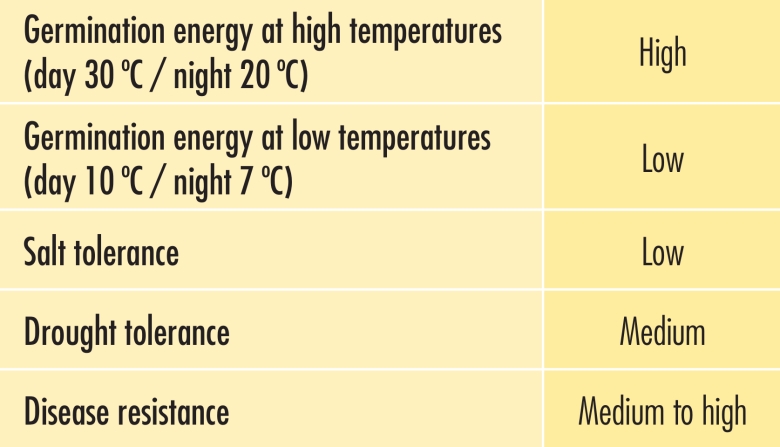
Characteristics
|
|
Speed of establishment |
|
|
Self recovery capacity |
|
|
Fast green up after winter |
|
|
Resistance to dollar spot |
|
|
Less irrigation required |
|
|
Less frequent mowing possible |
|
|
Fineness of leaves |
|
|
Colour darkness |
|
|
Fusarium resistance |
|
|
Resistance to red thread |
|
|
Less nitrogen required |
|
|
Germination energy at low temperature |

Bargreen II